
Agri-Inject. Built for farming.
Agri-Inject started with a farmer in Yuma, Colorado looking for a better way to do something he was already doing every day. He was applying fertiliser, running irrigation, and saw an opportunity to combine the two. So he built a tank, mounted it, added a pump, and connected it into his pivot system.
That idea turned into a business. Forty-five years on, it’s still the same foundation. Solve a real problem, then keep improving it.
Today, Agri-Inject manufacture chemical injection systems used across centre pivot irrigation. Their equipment is used to apply fertilisers, herbicides, and insecticides directly through irrigation systems on working farms. It operates in tough conditions, with constant exposure to sun, chemicals, and regular cleaning, so it needs to perform consistently without becoming a maintenance issue.
What started as a local solution has grown into a global one. Their equipment is now used across seven continents, with systems being installed and run in places like South Africa. It’s not built to sit around looking tidy. It’s built to be put straight to work.
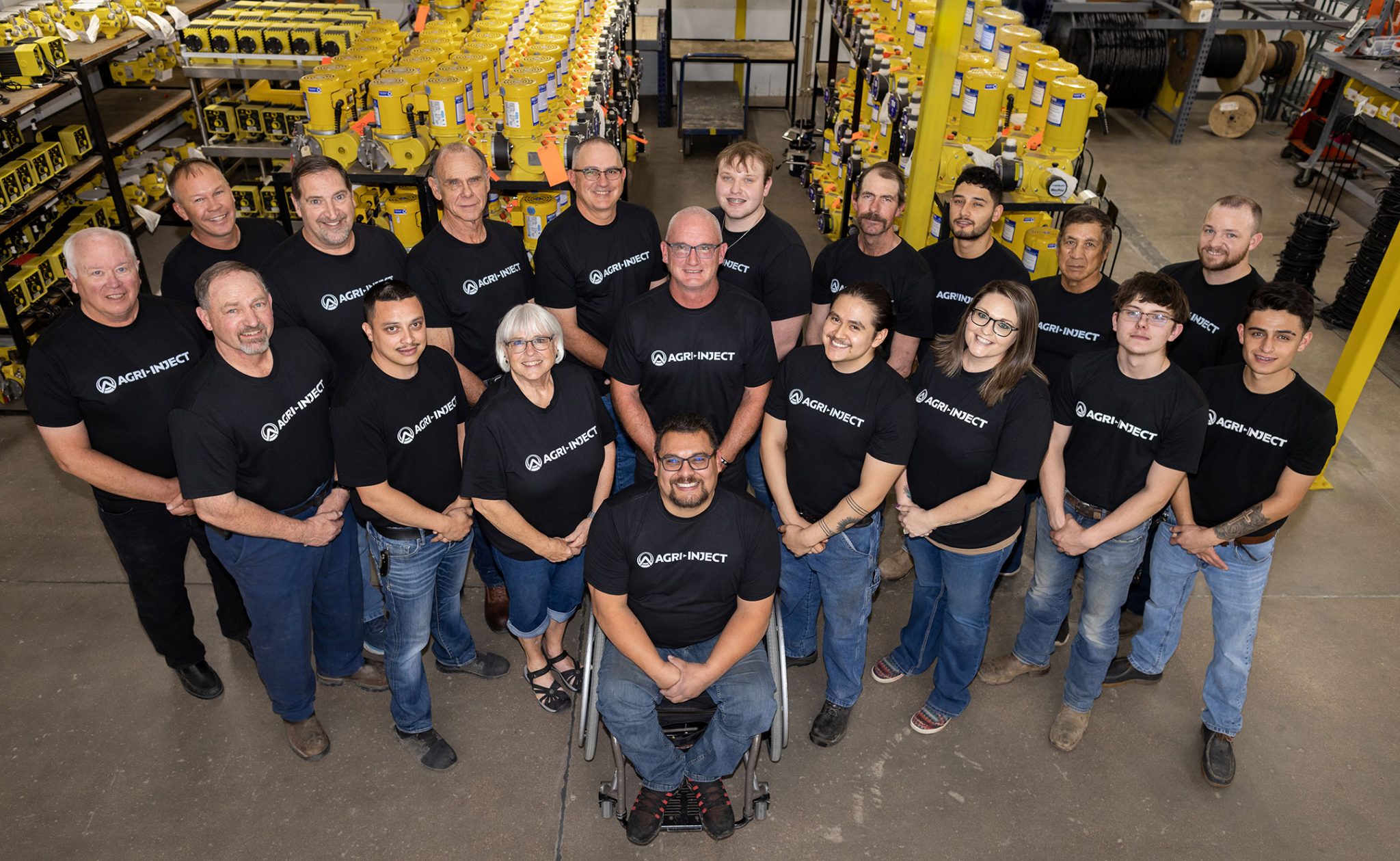
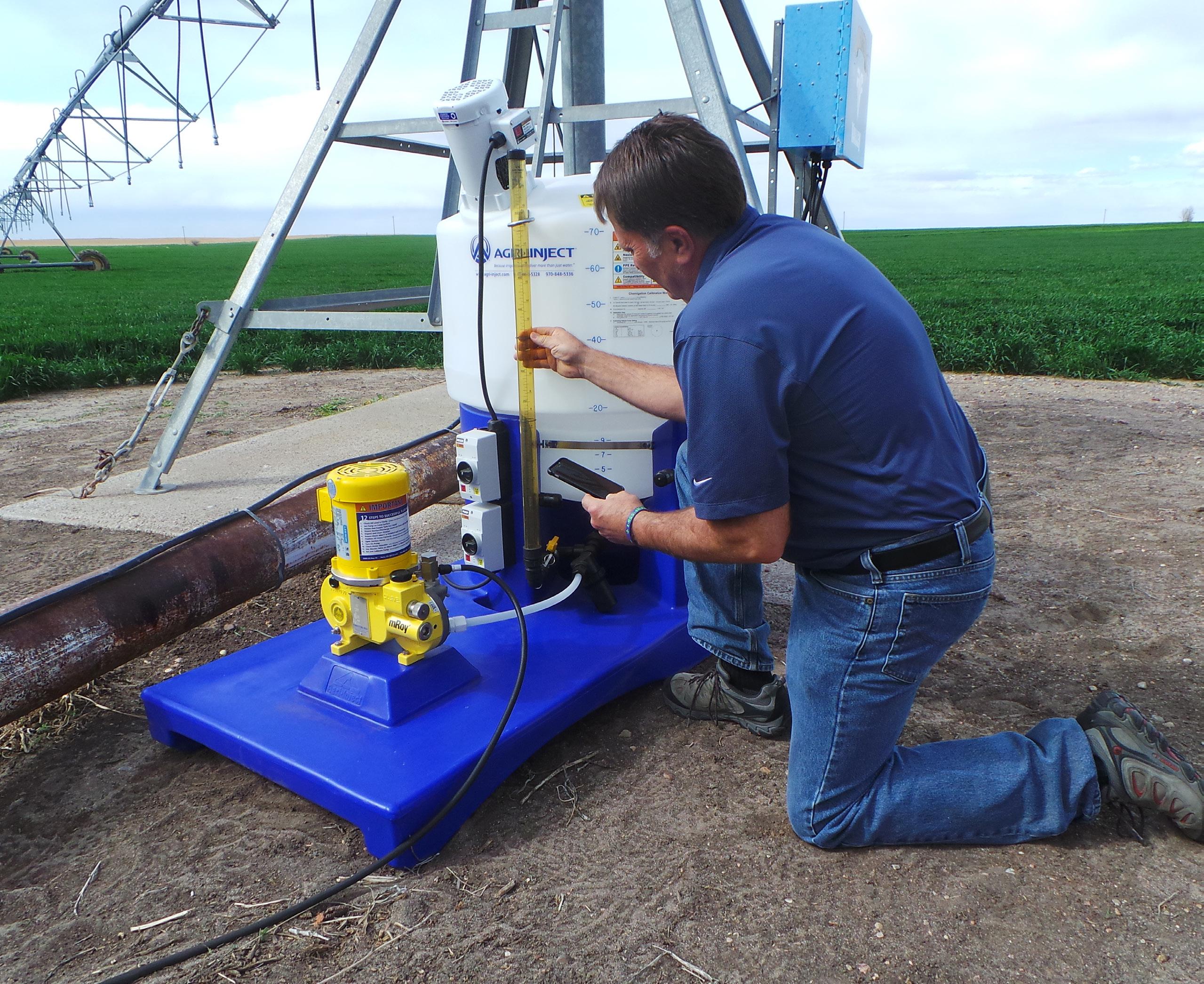
Agri-Inject have been focused on creating better yields and better ROI right back from their inception in 1983.
A big part of that is making sure the product is ready when it arrives. The aim is simple. Get it out of the box, set it up quickly, and get on with the job. That approach also extends to how they support their customers. They’ve focused on giving users the information they need to run and troubleshoot their own systems, rather than relying on someone else to step in.
That’s where branding starts to play a practical role. In this space, a lot of equipment can look similar. Same materials, similar shapes, often coming from the same supply chains. The difference isn’t always obvious at a glance.
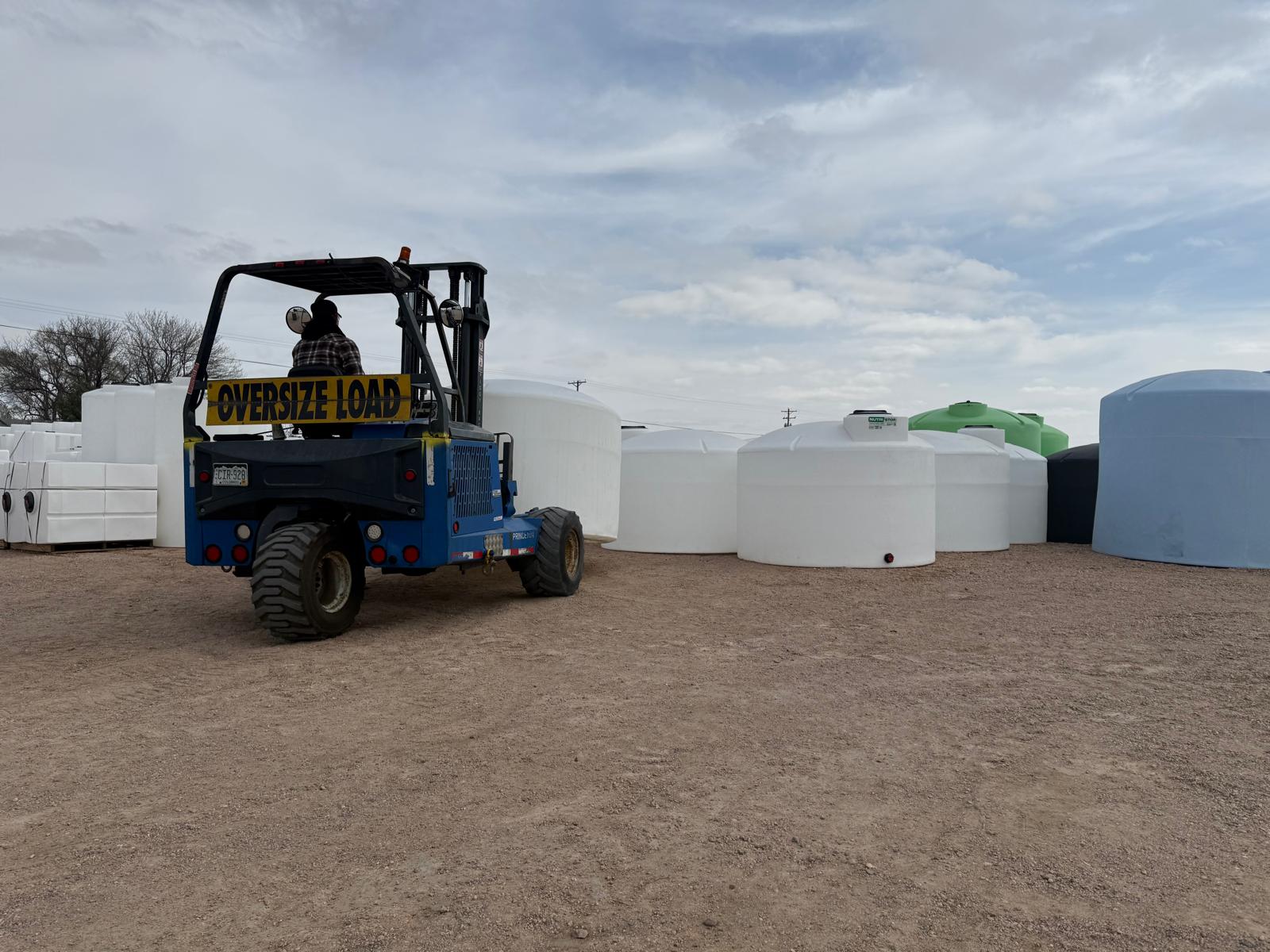
Goods built for purpose are what Agri-Inject are all about.
Using Branding Effectively
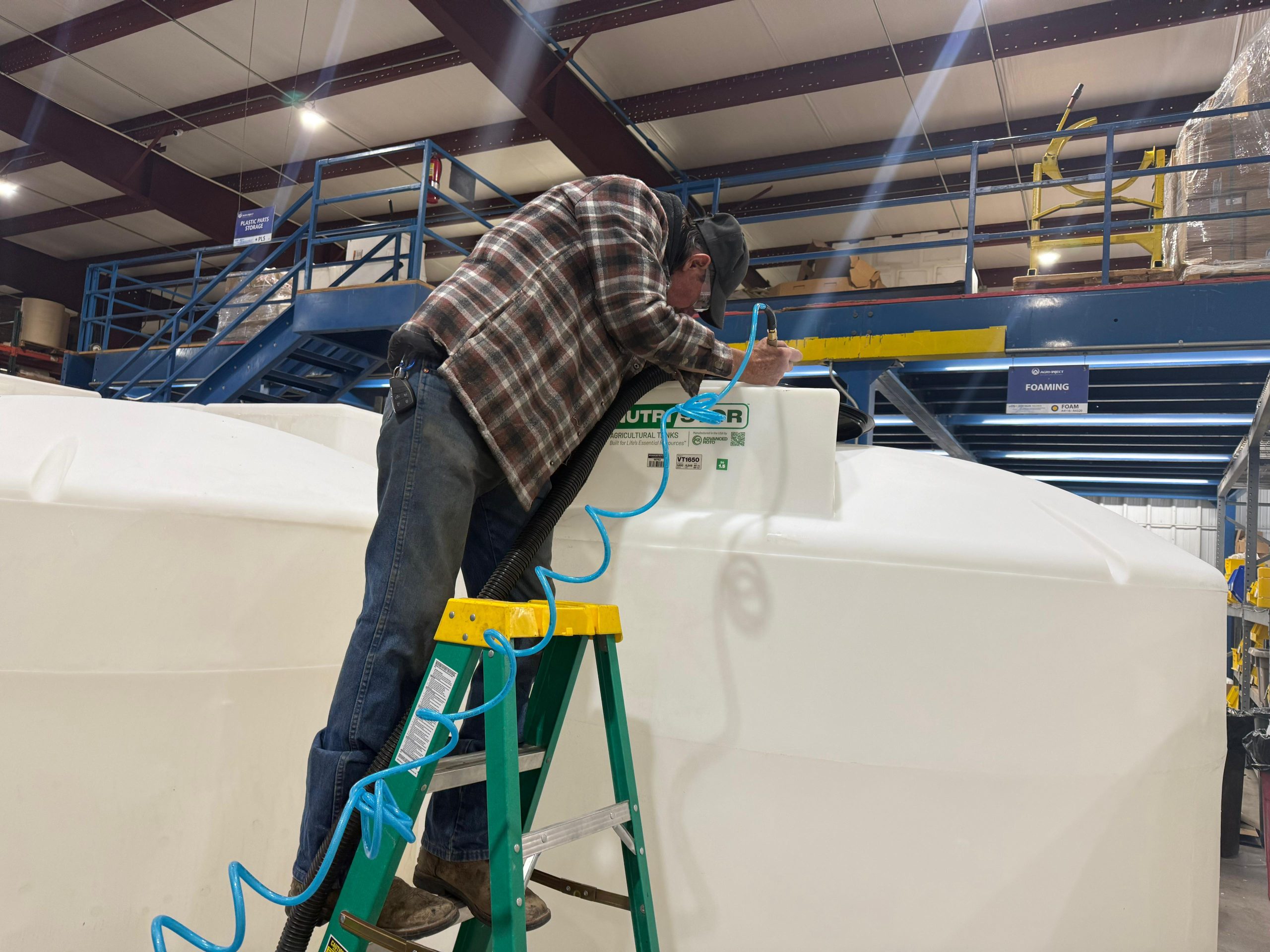
Agri-Inject use branding to make their equipment recognisable and useful at the same time. Their tanks carry serial numbers, part numbers, and key product data, along with barcodes and QR codes that link back to support, parts, and contact details. Once the equipment is out in the field, it needs to carry that connection with it.
Durability matters just as much here as it does in the product itself. Standard decals tend to degrade over time under UV and chemical exposure, which is why they’ve moved toward more permanent solutions. If the equipment is built to last, the information on it needs to last as well.
At its core, the thinking is straightforward. Build equipment that works, make sure it holds up over time, and make it easy for customers to identify it and get support when they need it.
That’s what allows Agri-Inject to stand out in a crowded market, and it’s what gives them their edge.
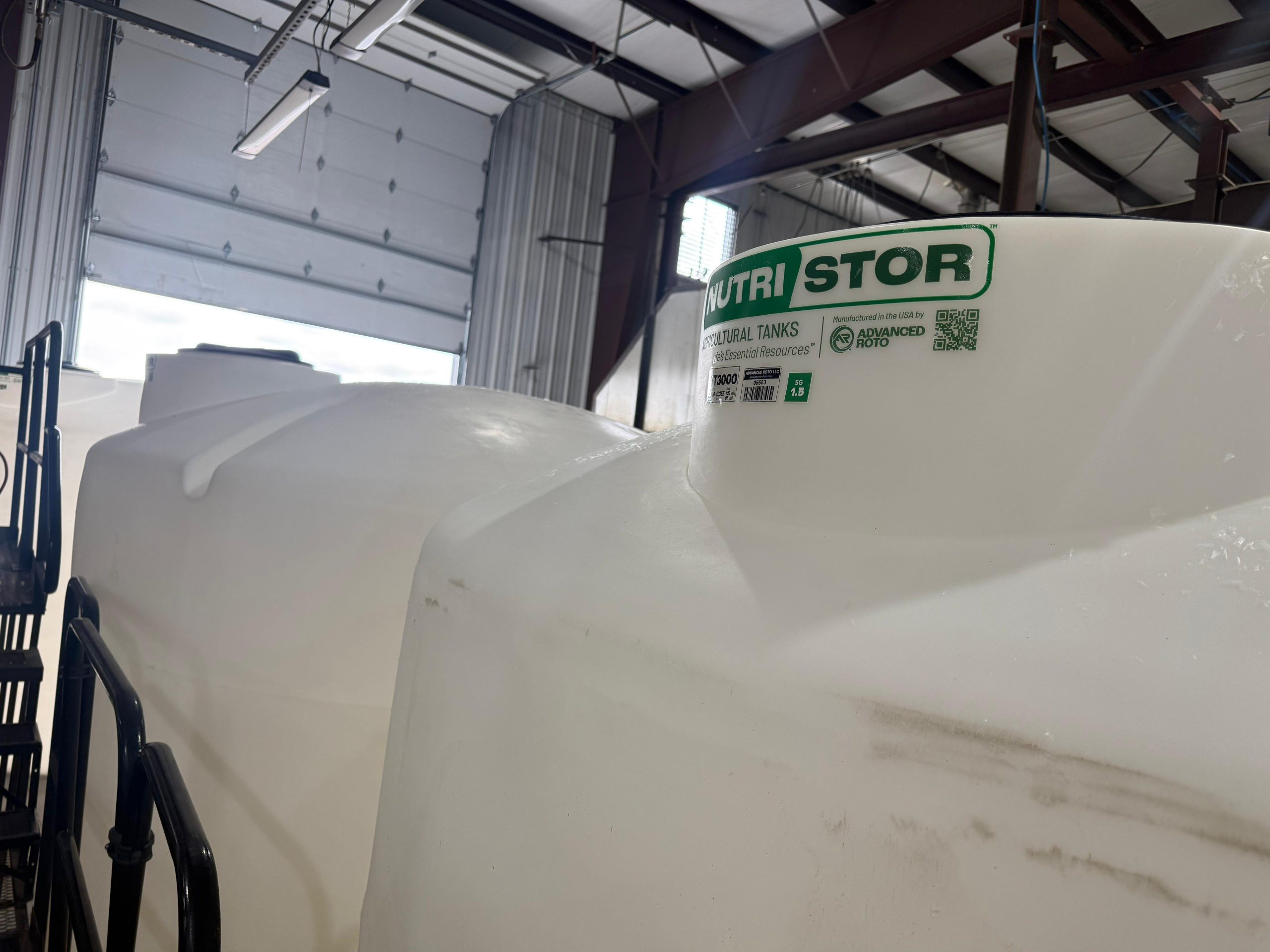
Agri-Inject use QR codes to give their products a full level of connectivity to their customer.
Looking ahead
Agri-Inject is focussed on delivering world-class products.
The business continues to grow steadily. What that really reflects is demand for something that already works.
The focus remains on improving what’s in front of them. Making equipment easier to use, easier to support, and more consistent across the board. That includes how the product is built, how it’s branded, and how customers interact with it once it’s out in the field.